Virus, plant, fish: three working groups give an insight into their research
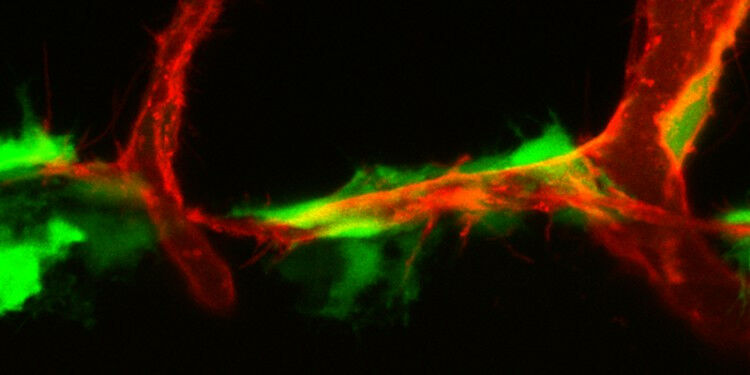
To ensure that the oncolytic viruses do not pose a risk to patients, it must be ensured that the modified virus cannot replicate. To do this, the scientists have removed the gene for the so-called hemagglutinin protein from the virus. This is a surface protein that has to dock onto a host cell before the virus can transfer its RNA into the host cell. "By taking something away from the virus, we have created a gap in the viral genetic information. We inserted the gene for the cytokine interferon gamma - an important messenger substance of the immune system - into this gap. It attracts the immune cells to the tumor and also fights it," says Stephan Ludwig, explaining the advantages.
From the viruses in the laboratory, the tour continues to the plants. Between Münster Castle and the grounds of the German-Dutch Corps are several greenhouses that give walkers an insight into the work of the gardeners. They nurture and care for dandelions, tomato, potato and tobacco plants, among others. The numerous large and small plants are waiting to be used in the laboratories of the Institute of Plant Biology and Biotechnology. Various research groups here are investigating how plants interact with their environment and which molecular processes take place in the plant. "Among other things, we want to understand how plants become more resistant to pests or more tolerant to abiotic stress factors, such as heat or drought," says Antje von Schaewen, Managing Director of the Institute and head of the Molecular Physiology of Plants working group.
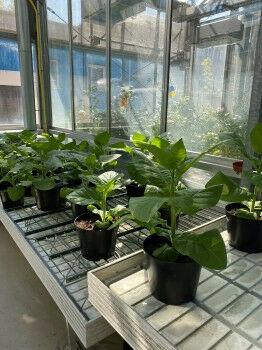
To this end, scientists are also working with so-called transgenic plants. These carry one or more foreign genes in their genetic material in addition to the naturally inherited genes. "We use genetic engineering methods to modify plants in order to protect them from salt stress or oxygen deficiency, for example," explains Antje von Schaewen. In a recent study, she examined transgenic tobacco lines that produce more biomass under stress than the unmodified original plants or close relatives. A change in sugar metabolism causes them to produce more fatty acids, which are transported from the leaves into the inflorescences and seeds. The team investigated the molecular mechanisms that play a role in this.
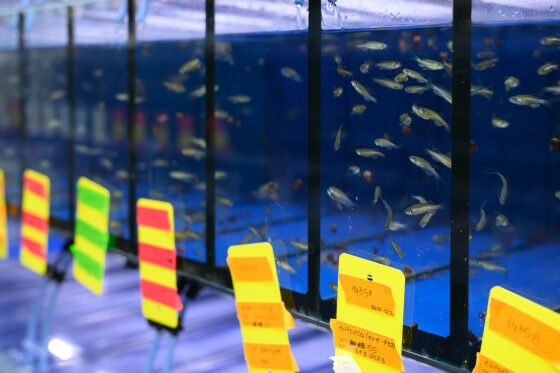
At the Institute of Cardiovascular Organogenesis and Regeneration, which is located in the new Multiscale Imaging Center (MIC) research building on Röntgenstrasse, Stefan Schulte-Merker and his team are researching the development of blood and lymphatic vessels in zebrafish embryos. The group is looking for genes that are responsible for the individual developmental steps of these vessels and whose possible defects lead to diseases in humans - such as lymphoedema, which is caused by the accumulation of fluids in the tissue. The swollen limbs are very painful and prone to inflammation. There is no cure, you can only treat the symptoms. "In order to better understand this widespread disease and its causes, we use fish in the laboratory to draw conclusions about possible genetic defects in patients," says Stefan Schulte-Merker.
The CRISPR/Cas method, a genetic engineering process for cutting and modifying DNA in a targeted manner, helps the scientists to do this. Genes can thus be inserted, removed or switched off. Stefan Schulte-Merker and his team use this method to create specific mutations in the fish embryos. From around 27,000 genes that a zebrafish possesses, the scientists can pick out a gene that is relevant to their question. A major advantage is that the scientists can examine the genetic changes in a systemic context, i.e. in the entire fish organism. As the embryos are transparent in the first five days of their life and develop outside the womb, the researchers can look inside and watch the vessels as they develop. "Under the microscope, we can see live what changes the mutation brings about, for example how it affects the speed at which the lymphatic vessels develop or their size. The effects of genetic defects become clear in direct comparison with a non-manipulated fish," emphasizes Stefan Schulte-Merker.
Author: Kathrin Kottke
This article is from the Unizeitung wissen