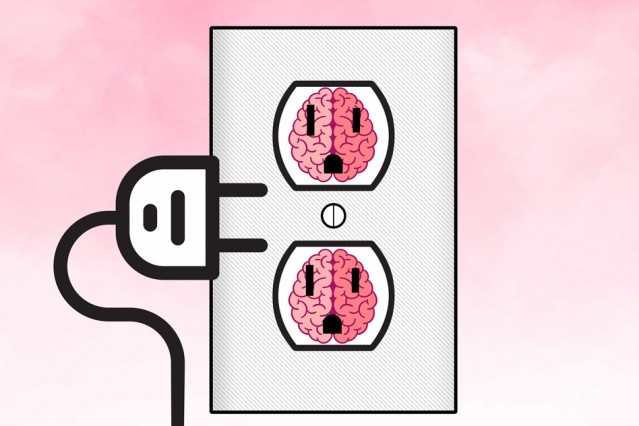
A team of MIT engineers has developed a "smart power outlet" in the form of a device that can analyze electrical current usage from a single or multiple outlets.
Have you ever plugged in a vacuum cleaner, only to have it turn off without warning before the job is done? Or perhaps your desk lamp works fine, until you turn on the air conditioner that's plugged into the same power strip. These interruptions are likely "nuisance trips," in which a detector installed behind the wall trips an outlet's electrical circuit when it senses something that could be an arc-fault - a potentially dangerous spark in the electric line. The problem with today's arc-fault detectors, according to a team of MIT engineers, is that they often err on the side of being overly sensitive, shutting off an outlet's power in response to electrical signals that are actually harmless. Now the team has developed a solution that they are calling a "smart power outlet," in the form of a device that can analyze electrical current usage from a single or multiple outlets, and can distinguish between benign arcs - harmless electrical spikes such as those caused by common household appliances - and dangerous arcs, such as sparking that results from faulty wiring and could lead to a fire. The device can also be trained to identify what might be plugged into a particular outlet, such as a fan versus a desktop computer. The team's design comprises custom hardware that processes electrical current data in real-time, and software that analyzes the data via a neural network - a set of machine learning algorithms that are inspired by the workings of the human brain. In this case, the team's machine-learning algorithm is programmed to determine whether a signal is harmful or not by comparing a captured signal to others that the researchers previously used to train the system.
TO READ THIS ARTICLE, CREATE YOUR ACCOUNT
And extend your reading, free of charge and with no commitment.