Lake Superior researcher helps communities better understand harmful algal blooms
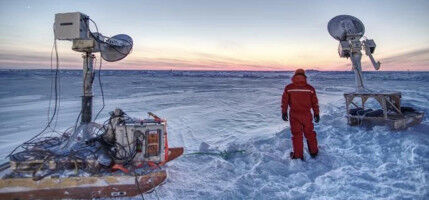
Do blooms also like it cold? Lake Superior researcher and international team of scientists help communities better understand harmful algal blooms. Research published in the scientific journal Limnology and Oceanography Letters and led by scientist Dr. Kait Reinl, Research Coordinator at the Lake Superior National Estuarine Research Reserve in Superior, WI, challenges current understandings of harmful algae blooms and may help communities better prepare for them. Cyanobacterial blooms, also known as harmful algal blooms, are an environmental and public health threat around the globe. Blooms can produce unpleasant tastes and odors, deplete oxygen in water, produce toxins that are harmful to people and animals, and impact water treatment systems. Researchers- current understanding is that blooms occur largely when water temperatures are warm or hot, but there is evidence that blooms also occur in cold water, including under ice. The study, called -Blooms also like it cold-, was developed with 27 co-authors through the Global Lake Ecological Observatory Network (GLEON). The research documents wide-ranging cold-water cyanobacterial blooms and identifies physical and biological drivers that may promote blooms under cold conditions.