The diversity and resiliency of coral reefs could be reduced because of severe ocean acidification and increased temperatures.
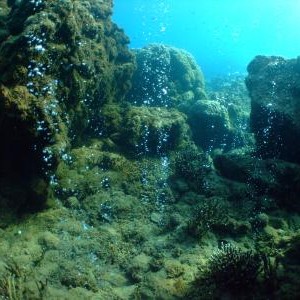
— Coral Gables — A new study by scientists at the University of Miami and elsewhere concludes that ocean acidification, along with increased ocean temperatures, will likely severely reduce the diversity and resilience of coral reef ecosystems within this century. The research team studied three natural volcanic CO2 seeps in Papua New Guinea to better understand how ocean acidification will impact coral reef ecosystem diversity. The study details the effects of long-term exposure to high levels of carbon dioxide and low pH on Indo-Pacific coral reefs, a condition that is projected to occur by the end of the century as increased man-made CO2 emissions alter the current pH level of seawater, turning the oceans acidic. ?These 'champagne reefs' are natural analogs of how coral reefs may look in 100 years if ocean acidification conditions continue to get worse,? said Chris Langdon, associate professor of marine biology and fisheries at UM's Rosenstiel School of Marine and Atmospheric Science and co-principal investigator of the study. Rosenstiel School scientists Remy Okazaki and Nancy Muehllehner and colleagues from the Australian Institute of Marine Science and the Max Planck Institute for Marine Microbiology in Germany also collaborated on the project. The study shows shifts in the composition of coral species and reductions in biodiversity and recruitment on the reef as pH declined from 8.1 to 7. The team also reports that reef development would cease at a pH below 7.
TO READ THIS ARTICLE, CREATE YOUR ACCOUNT
And extend your reading, free of charge and with no commitment.