Research team including Göttingen University collaborate on EuroWorm project to study marine worms
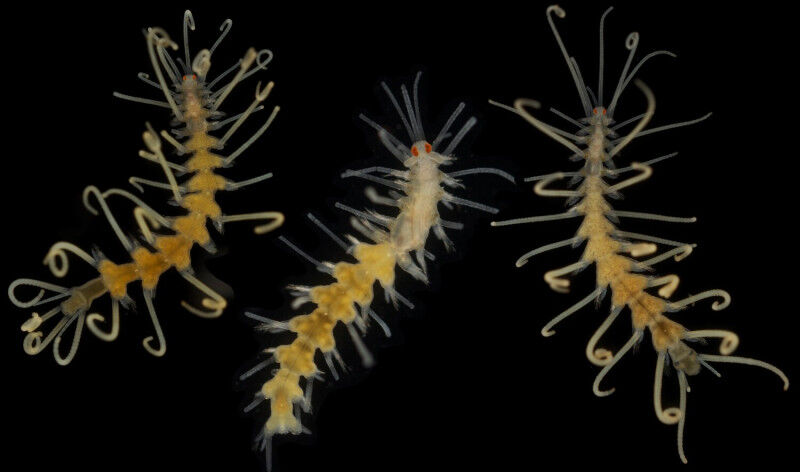
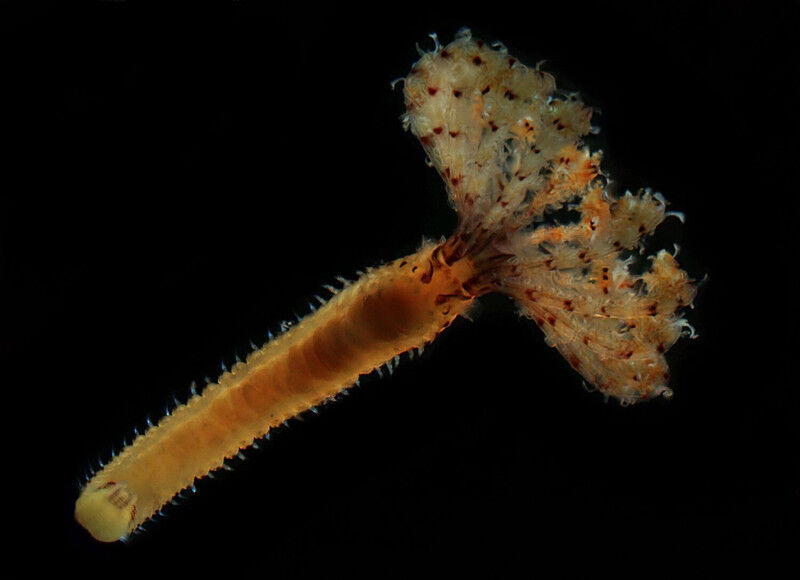
Species are disappearing at an alarming rate worldwide - accelerated by climate change, habitat loss and invasive species. Little-studied groups, including many marine worms, are particularly affected: species are threatened with extinction before they have even been scientifically described. Researchers from the University of Göttingen, the Leibniz Institute for Biodiversity Change Analysis (LIB) and the Senckenberg Society for Nature Research will build a comprehensive dataset on European "marine annelids" - segmented sea worms - and make it openly accessible for international research. This should advance the discovery of new species and the knowledge of biological diversity worldwide.
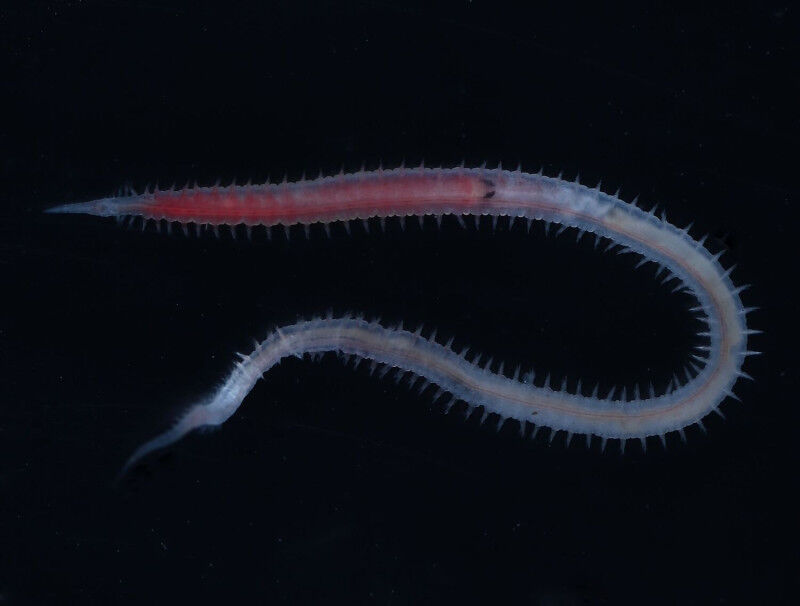
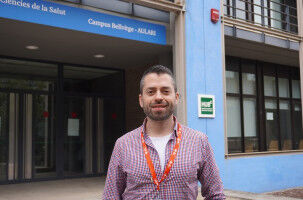
The worms, along with their images and genome data, will be added to the collections of the LIB at the Museum of Natural History Hamburg and the Senckenberg Natural History Museum. Researchers worldwide, especially in the Global South, can borrow specimens and access the data via the LIB and Senckenberg portals and platforms such as GBIF. "By comparing data on European species, we hope to accelerate the discovery of new species and biodiversity research worldwide - and thus counteract the ’silent extinction’ of marine species," explains project leader Dr Jenna Moore from the LIB. At the same time, Three researchers at Göttingen University’s Animal Evolution and Biodiversity research group are participating in the project. "Such collections are scientific time capsules", says Dr Maria Teresa Aguado Molina: "Historical collections, combined with modern genomics, are unlocking hidden biodiversity at an unprecedented pace. EuroWorm shows that the most advanced discoveries begin with specimens collected decades ago." Professor Christoph Bleidorn emphasises that research into the evolution of annelids has a long tradition in Göttingen: "This means we are all the more delighted to be able to pursue these questions further as part of a project on."