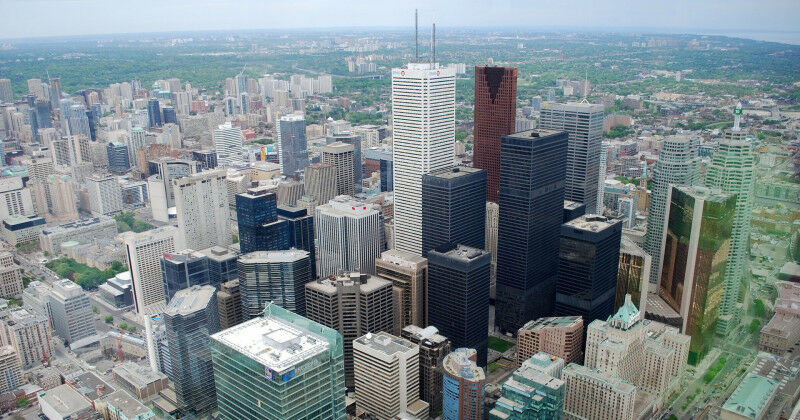
The project is focused on improving energy and climate models for better assessing the main contributors of greenhouse gas emissions in buildings. (PublicDomainPictures)
The project is focused on improving energy and climate models for better assessing the main contributors of greenhouse gas emissions in buildings. (PublicDomainPictures) - A new Western-led project, developing new tools and technologies to improve accuracy of building energy and climate models, was awarded $4 million by the Canadian government to advance science and technology to fight climate change. Kamran Siddiqui "Fighting climate change and mitigating its catastrophic consequences require a collective approach involving conscientious actions from the household level to municipal and governmental levels," said project lead and mechanical engineering professor Kamran Siddiqui. The project is focused on improving energy and climate models for better assessing the main contributors of greenhouse gas (GHG) emissions in buildings and their overall impact on the urban climate. "We want to find better ways to support various stakeholders, from individuals and businesses to communities and cities, in developing short-term and long-term mitigation and adaptation strategies and actions," said Siddiqui. "An important component of this project is knowledge mobilization as this research will not make a meaningful impact if we can't effectively share it with stakeholders or motivate Canadians to make real change in their lives." The project, improved multi-scale GHG emissions modeling from urban environments to enhance mitigation strategies, will also promote new policy tools to lower financial barriers for the implementation of these proposed actions to assist the Canadian government in achieving the targets outlined in the Canadian Net-Zero Emissions Accountability Act, 2021.
TO READ THIS ARTICLE, CREATE YOUR ACCOUNT
And extend your reading, free of charge and with no commitment.