An international team of researchers
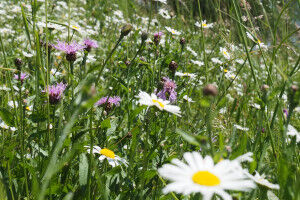
1, including a CNRS researcher at the department of Écologie et Dynamique des Systèmes Anthropisés (CNRS / Université de Picardie Jules Verne) has observed an acceleration in the increase of biodiversity on mountain peaks in Europe. This is a new indicator of the “great acceleration”: an increasingly rapid inflation of different parameters around the world (glacier retreat, coral bleaching, etc.) seen in recent years as a result of climate change. Mountain ecosystems could be seriously disturbed as a result. Their findings appear in the 4th April 2018 edition of Nature . The acceleration of CO
2 emissions in recent decades have caused many indicators, such as socio-economic, meteorological and biological ones, to race. The scientific community calls this phenomenon “the great acceleration”. In a new study, a team of researchers from 11 countries demonstrated that this acceleration is visible today in the most remote reaches of the planet: mountain summits.
TO READ THIS ARTICLE, CREATE YOUR ACCOUNT
And extend your reading, free of charge and with no commitment.
Your Benefits
- Access to all content
- Receive newsmails for news and jobs
- Post ads